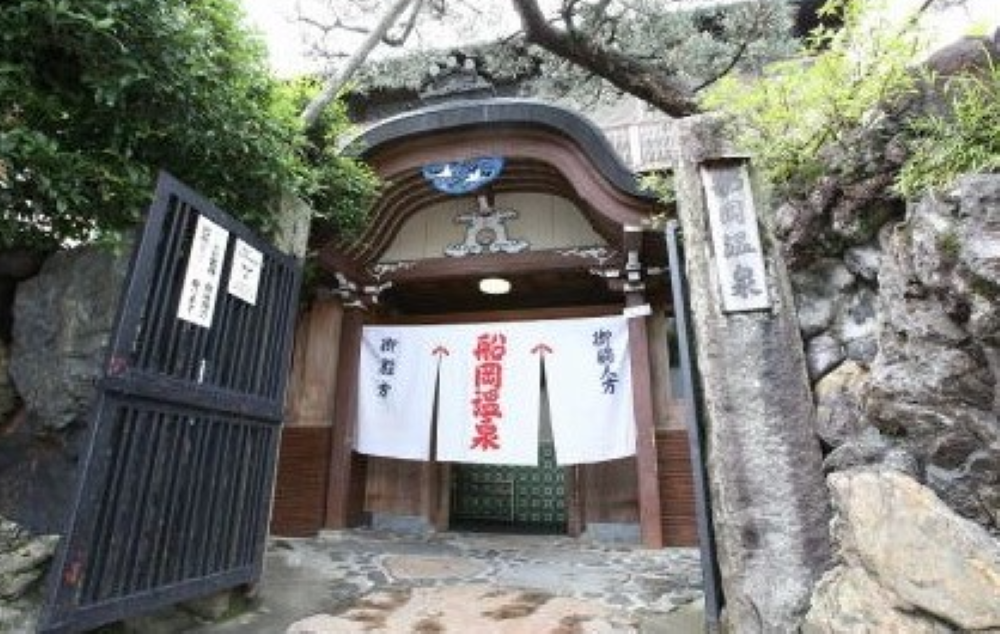
Funaoka Onsen, the first hot spring in Japan to introduce an electric bath
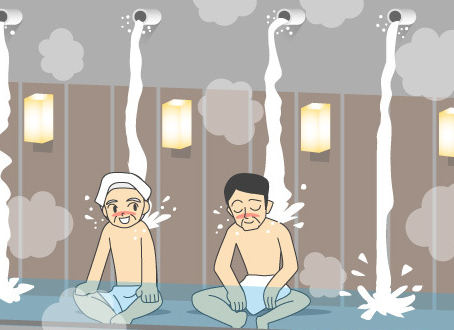
Have you ever soaked in a bath that gently tingles your body?
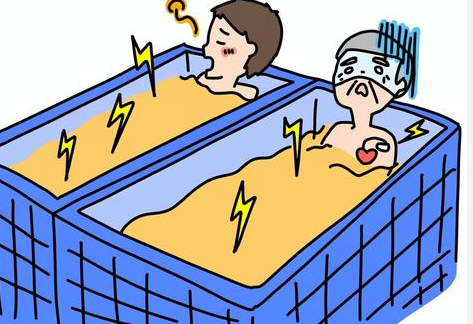
The Electric Bath is a special feature found in many Japanese public baths (sento).
It uses a very mild electric current in the water to relax tense muscles and improve blood circulation.
Don’t worry—it’s completely safe and quite popular among locals who enjoy its refreshing, massaging sensation.
If you’re curious, start by dipping just a leg and feel the light buzz before immersing your whole body!
Even for Japanese people, the Electric Bath can feel a little too strong! 💦
It’s said to have a massaging effect, but honestly, it can be quite painful.
Try putting only your hand in first, and if you can handle it, then try your whole body.
One important caution about the Electric Bath is that people with heart conditions should not use it.
Especially for elderly people, please be careful when taking the bath.
In fact, the Electric Bath was first installed in Kyoto, Japan.
It was introduced at Funaoka Onsen, a public bath in Kyoto.
The interior design is very stylish, and it is highly recommended for visitors to Japan.
TripAdvisor listing information↓

Medicinal bath
It’s a traditional Japanese bathing style using herbs, plants, or citrus fruits to promote health and relaxation.
For centuries, Japanese people have enjoyed herbal baths as a natural way to heal the body and mind.
Each herbal bath has different effects — improving circulation, relieving fatigue, warming the body, or soothing the skin.
Before soaking, wash your body first, then slowly relax in the bath while enjoying the aroma and warmth.
Many public baths (sento) and hot springs (onsen) offer “Medicinal bath of the day,” which changes manthly or weekly.
Medicinal baths often have water that is a different color, such as yellow or brown, so be sure to look for them when you visit a hot spring or public bath!
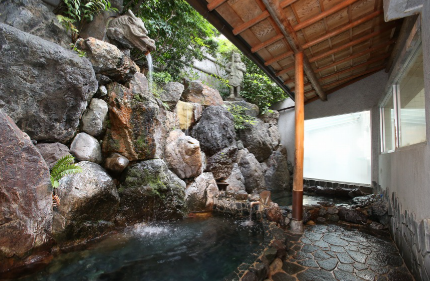
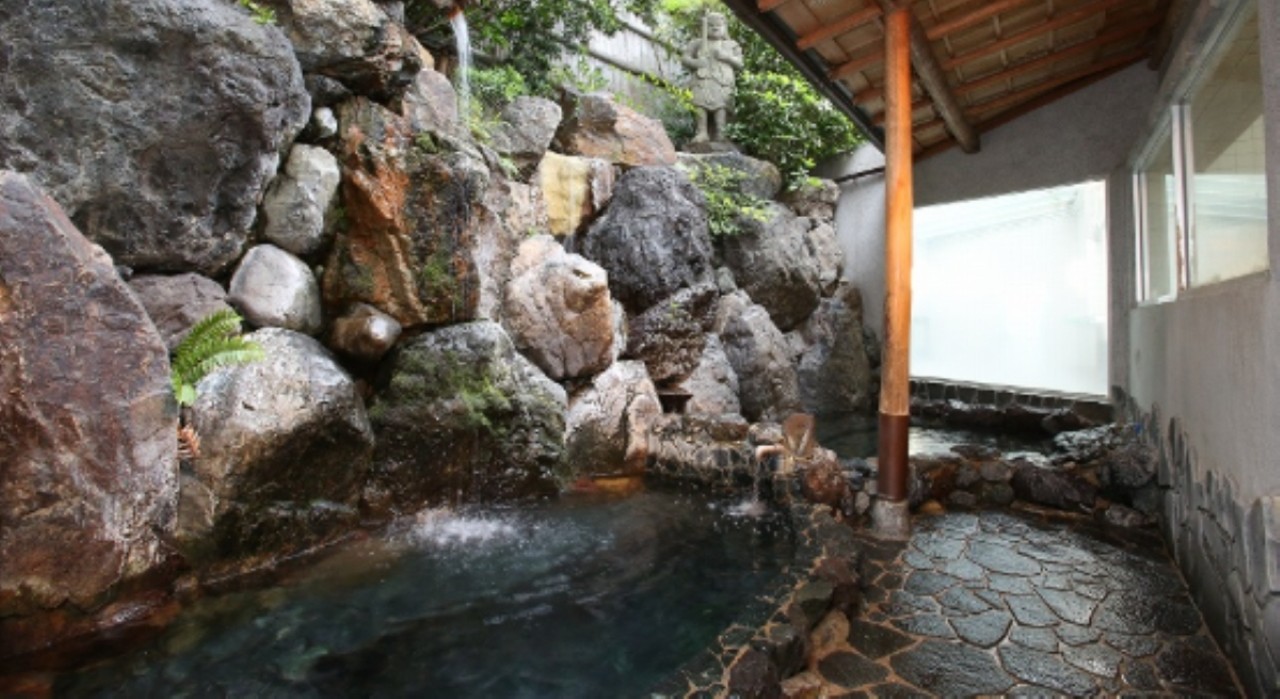
The open-air bath
The open-air bath features Kifune stone, a precious stone traditionally used in Kyoto’s gardens and in the construction of shrines and temples. It has a gray to dark color, is highly resistant to weathering, and has a strong, distinguished presence.
Waterfall bath
Waterfall Bath is a traditional Japanese bathing style where warm water pours down from above, gently massaging the shoulders and back. It is often used to help relax stiff muscles and improve circulation.
my self introduction

I am a Japanese who was born and raised in Kyoto, Japan. I am a Certified Onsen Bathing Instructor, a highly specialized qualification held by only around 500 people in Japan.
To obtain this certification, I studied health and wellness from a medical perspective over a period of four years. All instructors in the program were medical doctors specializing in balneotherapy (hot spring therapy), ensuring that I learned scientifically and medically correct bathing methods.
I have over five years of hands-on experience working in onsen facilities, providing professional bathing guidance to guests on-site.
Nationwide, there are only about 20 facilities in Japan that offer professional onsen bathing instruction, and each facility employs only a small number of instructors. Because of this, I have gained rare and highly specialized knowledge and experience in this field.
In addition, I hold multiple onsen-related certifications, including Onsen Sommelier and Onsen Tourism Specialist.
By combining health-focused bathing methods with enjoyable and culturally rich onsen experiences, I offer a unique and original program that allows guests to relax, learn, and fully appreciate Japanese hot spring culture in a safe and enjoyable way.
コメント