- About Funaoka Onsen
- Facility Information
- Rating: ★★★★⯨(22 stars total)
- FAQ for Funaoka Onsen
- Q1. Is Funaoka Onsen a natural hot spring?
- Q2. Is day-use bathing available?
- Q3. What kinds of baths are available?
- Q4. Is it easy for tourists to use?
- Q5. Can I use the baths if I have tattoos?
- Q6. When is Funaoka Onsen most crowded?
- Q7. Can I have a meal at Funaoka Onsen?
- Q8. Who is Funaoka Onsen recommended for?
About Funaoka Onsen
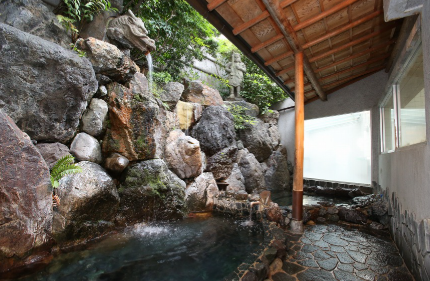
Funaoka Onsen is a tattoo-friendly facility and a sento that is easy for international visitors to use. With its charming interior that reflects traditional Japanese bathing culture, it promises a memorable experience.
In this article, from the perspective of a Japanese visitor who has used the bath many times, I objectively organize not only the positive aspects but also the points to be aware of, and share practical tips to help first-time visitors enjoy their experience without regret.
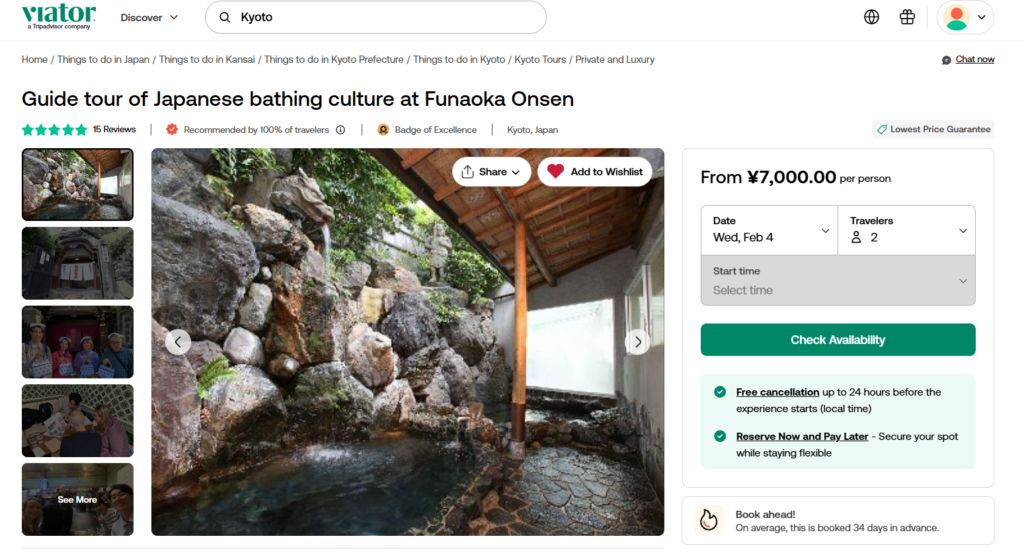
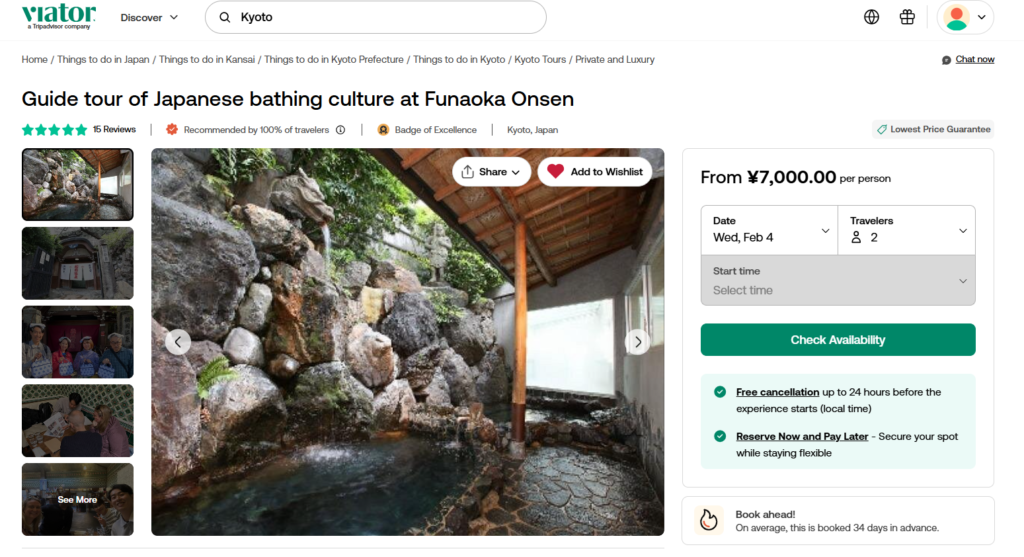
Click here for a recommended guided tour at Funaoka Onsen ↓
Facility Information
Address View on Google Maps here
Opening Hours:
3:00 PM – 11:30 PM (Sundays: 8:00 AM – 11:30 PM)
Closed: Tuesdays
Admission Fee: 550 yen
Rating: ★★★★⯨(22 stars total)
Bath Variety & Quality ★★★★★
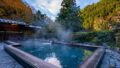
Funaoka Onsen is one of Kyoto’s most famous sento and is well-known throughout Japan. It offers a wide variety of baths, including electric baths, deep baths, herbal baths, an outdoor bath, and a sauna, allowing visitors to fully enjoy their bathing experience.
Although it is not a natural hot spring, the satisfaction level of bathing here is very high. Kyoto has abundant water resources, and Funaoka Onsen uses underground natural water, which may contribute to the high level of enjoyment.
Atmosphere & Authenticity ★★★★★
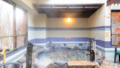
You can enjoy Japanese sento culture through the artistic decorations in the changing rooms and the beautiful tile murals. The Funaoka Onsen facility itself is not very large, but it is a beloved local bathhouse that offers a satisfying atmosphere and a memorable experience for international visitors.
Funaoka Onsen is also an ideal facility for first-time visitors.
Comfort ★★★★☆
The rest area is a bit small.
However, considering the very low admission fee of 550 yen per person, the cost performance is excellent.
Many other onsen facilities charge more than double this amount—often over 1,000 yen.
A minor downside is that the restrooms lack a certain level of cleanliness.
Accessibility for Tourists ★★★★☆
The nearest train station is a bit far, and the bus stop requires a short walk, so access is not particularly convenient.
Still, Funaoka Onsen attracts many international visitors, largely because tattoos are allowed, which is a rare feature in most Japanese hot springs and sento. In many other baths, tattoos are not permitted, which can be very inconvenient.
Since many of Funaoka Onsen’s visitors are international tourists, the staff at the reception are accustomed to communicating in basic English.
Scenic Value / Surroundings ★★★★☆
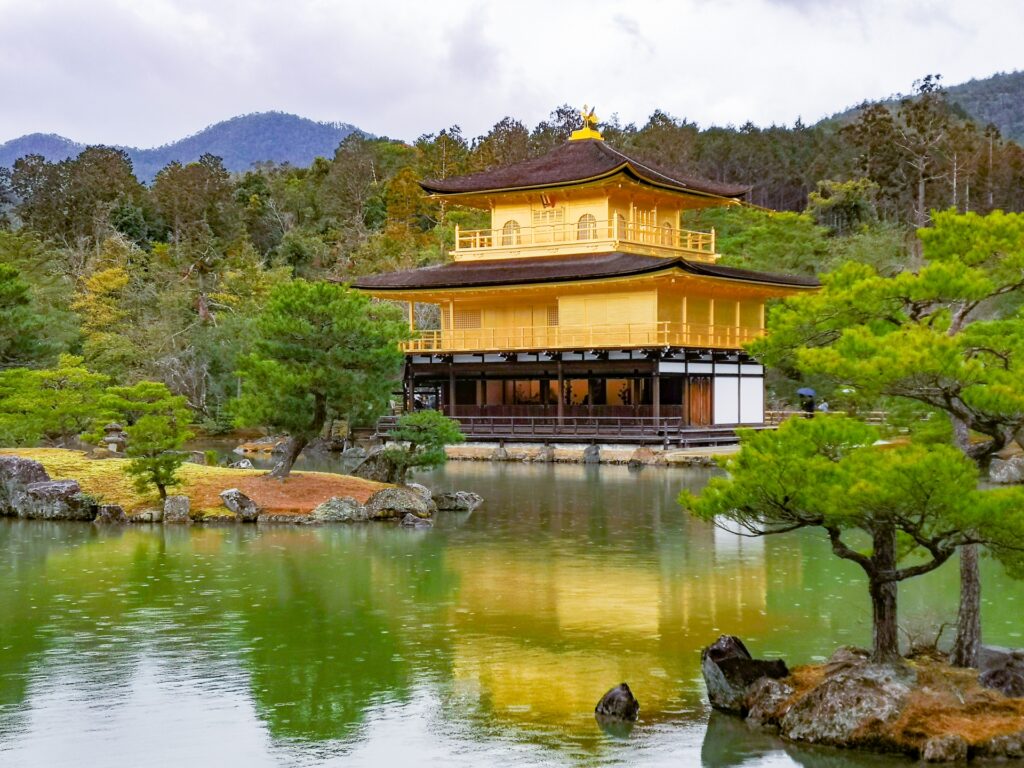
Since the famous tourist attraction Kinkaku-ji is nearby, it is recommended to visit Funaoka Onsen at the end of a day of sightseeing.
Click here for a recommended guided tour at Funaoka Onsen ↓
FAQ for Funaoka Onsen
Q1. Is Funaoka Onsen a natural hot spring?
Funaoka Onsen is a sento (public bathhouse), not a natural hot spring. Although it does not use natural hot spring water, it offers a wide variety of baths, resulting in a very satisfying bathing experience.
Q2. Is day-use bathing available?
Yes. Funaoka Onsen is a day-use–only facility with no accommodation, and it is easily accessible for both locals and tourists.
Q3. What kinds of baths are available?
It boasts one of the largest selections of baths in Kyoto, including electric baths, deep and shallow baths, herbal baths, an outdoor bath, and a sauna. One of its greatest attractions is the ability to enjoy moving from bath to bath during your visit.
Q4. Is it easy for tourists to use?
Yes. Funaoka Onsen is a popular sento among international visitors. However, English signage is limited, so it is helpful to be familiar with basic bathing manners in advance. The facility itself is not large, so it is easy to navigate.
Q5. Can I use the baths if I have tattoos?
Yes, bathing is allowed even if you have tattoos.
Q6. When is Funaoka Onsen most crowded?
Weekends tend to be busier, and it can also get crowded during the peak tourist seasons in spring and autumn.
Q7. Can I have a meal at Funaoka Onsen?
There is no restaurant inside the facility.
Q8. Who is Funaoka Onsen recommended for?
It is especially recommended for those who want to experience traditional Japanese sento culture and for onsen or sento enthusiasts who value atmosphere and authenticity. It is also a great choice for first-time visitors to Japanese baths.
On the other hand, it is not recommended for those who are particular about natural hot spring water quality.
コメント