Funaoka Onsen is ranked second among hot springs in Kyoto on TripAdvisor.
Based on this high rating, this article provides a thorough and in-depth review of Funaoka Onsen from multiple perspectives, including bathing quality, atmosphere, comfort, accessibility, and overall cultural value.
Facility Information
Address
82-1 Murasakino Minamifunaokacho,
Kita Ward, Kyoto City, Kyoto 603-8225, Japan
Business Hours 15:00–23:30
(Sundays: 08:00–23:30)
Closed Tuesdays
Parking 11 spaces
Fee 550 yen per person
Rating: ★★★★⯨(23 stars total)
The ratings are calculated by me based on five different categories, with each category evaluated on a five-star scale.
Bath Variety & Quality ★★★★☆
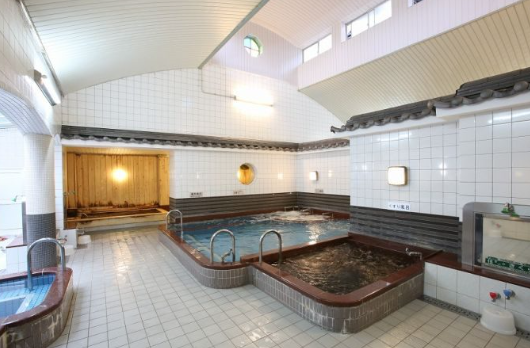
Funaoka Onsen offers a wide variety of baths, including a medicinal bath, deep bath, outdoor bath, cypress (hinoki) bath, electric bath, waterfall-style bath, jet bath, bubble bath, and a cold plunge. With so many options, even first-time visitors to Japanese hot springs or public baths can fully enjoy the experience.
Strictly speaking, Funaoka Onsen is not a natural hot spring. The reason it is called an “onsen” dates back to the past, when facilities were allowed to use the term if they installed an electric bath. The fact that it is not a true hot spring may be considered a small downside for some visitors.
Atmosphere & Authenticity ★★★★★
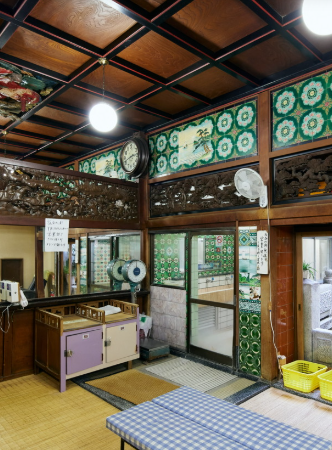
The decorations of Funaoka Onsen are highly valued as cultural assets, making it an outstanding place where you can truly feel its history. When you visit, don’t just focus on bathing—take time to look up at the ceiling and observe the walls as well. Many international visitors surprisingly overlook these beautiful and meaningful details.
To experience a truly authentic Japanese public bath that is deeply loved by local Kyoto residents, there is no better place than Funaoka Onsen.
Comfort ★★★☆☆
The water temperature is around 40°C, making it very comfortable for bathing. Many other public baths in Japan have hotter water, often around 42°C, so the slightly lower temperature at Funaoka Onsen allows guests to relax and soak comfortably for a longer time.
The bathing area itself is clean. However, when the bath becomes crowded, the passageway from the changing room to the bathing area can get a bit dirty over time.
In terms of comfort, there is a space where guests can rest, but it is not particularly spacious. Compared to larger hot spring facilities, the overall comfort level is more limited. That said, considering the very affordable entrance fee of 550 yen, the cost performance is extremely high.
Accessibility for Tourists ★★★★☆
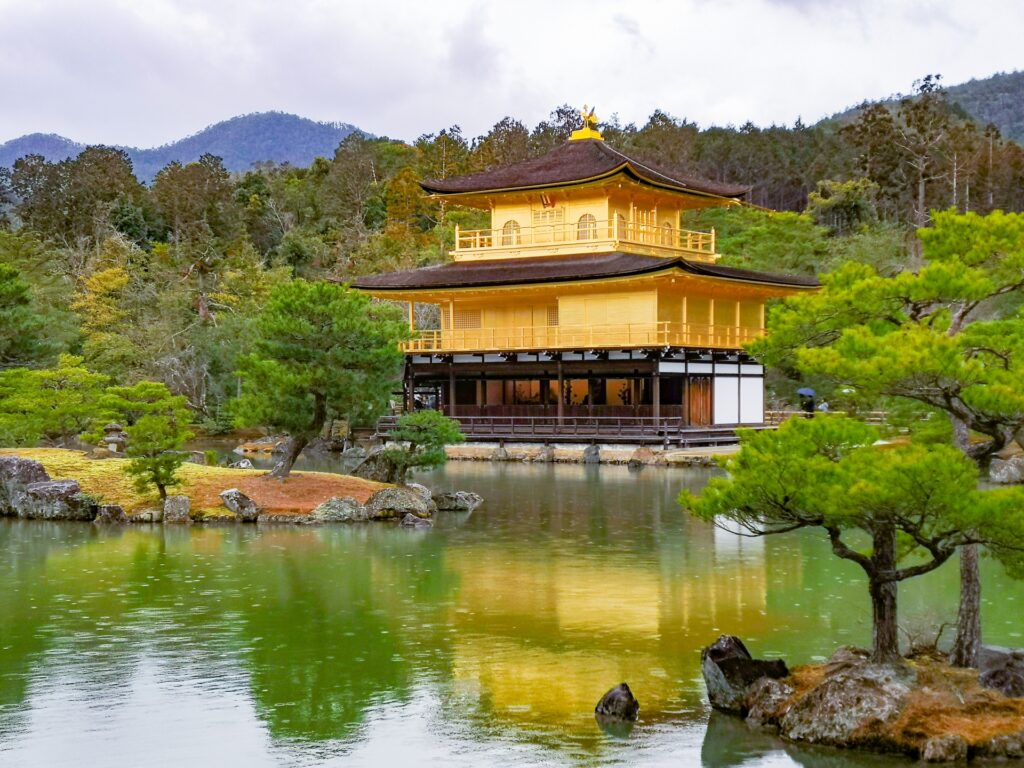
It takes about 40 minutes by bus from Kyoto Station to Funaoka Onsen, so it is a bit far from the city center. However, famous landmarks such as Kinkaku-ji (the Golden Pavilion) and Ryoan-ji Temple are located nearby. For this reason, it’s a great idea to visit Funaoka Onsen after stopping by these temples as part of your sightseeing route.
Scenic Value / Surroundings ★★★★☆
The area around Funaoka Onsen is mainly residential, giving visitors a strong sense of local Kyoto life. Traditional townhouses (machiya) are scattered throughout the neighborhood, allowing you to enjoy a classic Kyoto streetscape as you walk around.
There are only a few places to eat near Funaoka Onsen, so it’s often necessary to travel back toward areas such as Kyoto Station for more dining options.
👉 You can find a recommended model course for visiting Funaoka Onsen here:
TripAdvisor Reviews
- Positive Reviews
Local bathhouse with several pools. Inside you’ll find 5 pools with different temperatures, one is even electrified. There’s another 2 outdoor pools, one hot, one cold. You’ll also find a sauna. You can purchase towels, shower gel, shampoo at the counter when entering. Women go left (red curtain), men to the right (blue curtain). After you undress only take your shower gel, shampoo and sponge into the bathing area, leave everything else in the locker. The Japanese scrub and cleanse for ages. To do that sit on one of the plastic seats and start scrubbing.
I’ve never felt that clean after my session. It’s recommended to not stay longer than 10 min max in a pool. Especially beginners shouldn’t overdo it.
- Negative Reviews
In the women’s bath, a local lady who is a regular customer was picking a fight with a group of three women in their 50s who were tourists. “It’s rude to take a bath without body soap. Think about other customers,” she said.
Since you are not required to purchase body soap at the reception, if you try to get in the bath without buying soap and just rinse it with hot water, the regulars will get angry.
Fortunately, our group was not directly attacked, but we also wanted to just rinse the bath with hot water, so we didn’t want to get into trouble and quickly bought body soap at the reception.
According to the staff, it is not mandatory for the store to purchase soap, but some regulars try to impose their own rules on tourists.
The bath itself was fine, but it left us with a bad experience.
- My Impression After Reading the Reviews
The situation hasn’t really changed: some elderly local women can be quite strict about bathing etiquette. However, this is something you may encounter at almost any onsen or public bath in Japan. As long as you wash your body before entering the bath, you generally won’t be told anything or have any problems.

コメント