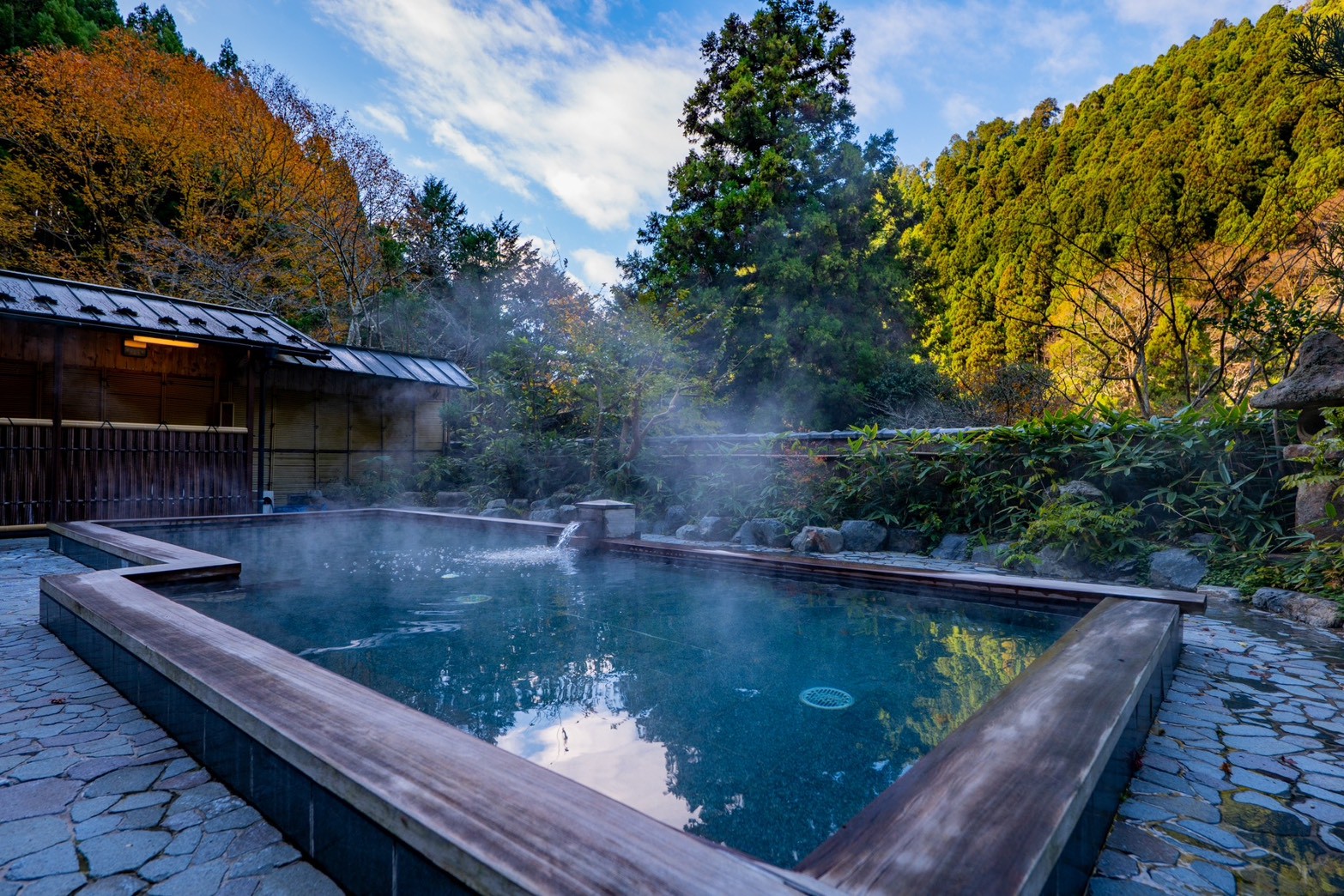
When it comes to Kurama in Kyoto, it’s known for Kibune Shrine, Kurama-dera Temple, and Kurama Onsen. This area is perfect for those who love hiking, enjoy nature, or want to escape the hustle and bustle of the city. In this guide, we’ll introduce an ideal model course that ends with a relaxing soak in a hot spring after your walk.
Click here to purchase tickets for Kurama Onsen ↓
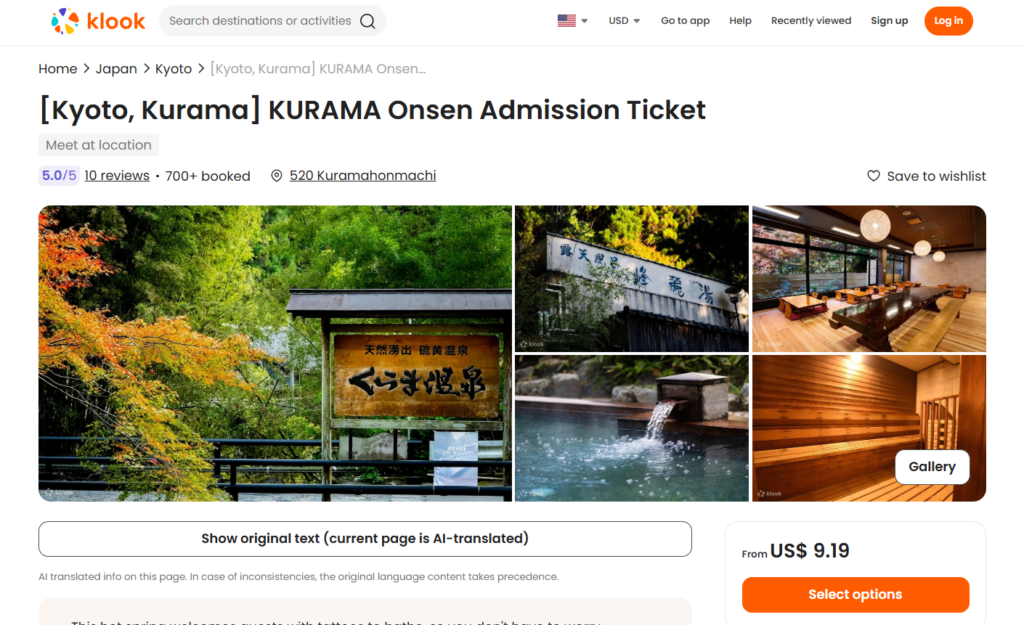
Model course
13:00 – Visit Kifune Shrine
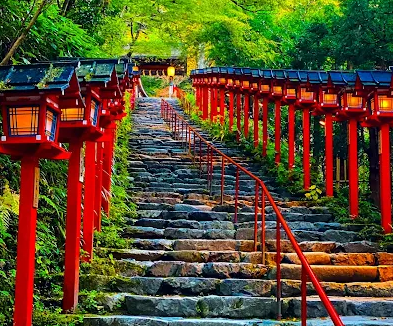
Kifune Shrine, located in the mountains of northern Kyoto, is a historic shrine dedicated to the god of water. It is known for bringing blessings such as rain prayers, abundant harvests, and matchmaking. The shrine is especially famous for its approach lined with red lanterns along the stone steps.
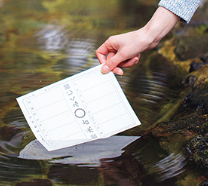
One of Kifune Shrine’s specialties is the water fortune-telling. You place a paper for the fortune in the sacred water, and characters appear on it. This water fortune-telling is available in multiple languages, making it easy for international visitors to understand and enjoy safely. I highly recommend trying it! In Japan, people often draw omikuji (fortune slips) at temples and shrines, but they are usually only written in Japanese. Kifune Shrine is rare in Japan for offering a multilingual fortune-telling experience.
After visiting Kifune Shrine, you start climbing the mountain trail. Being surrounded by trees while getting some aerobic exercise feels incredibly refreshing. After walking for a while, you will reach Okunoin Maouden, a popular power spot. This place is especially loved by those interested in spiritual sites, and you may see people praying earnestly inside the building.
Continuing along the trail, you will arrive at the Tree Root Path, a place where you can truly feel the vitality of the trees. The roots seem almost alive, twisting and forming intricate patterns on the ground, creating a truly mystical atmosphere.
Click here to purchase tickets for Kurama Onsen ↓
ou have now arrived at the main hall of Kurama-dera Temple. The walk up here can be a bit challenging, but the beautiful scenery makes the effort well worth it.
As you descend the mountain, Kurama Onsen is just ahead.
By the way, it takes about 1 to 1 hour 15 minutes to walk from Kifune Shrine to Kurama-dera Temple. Many international visitors make use of the wooden sticks provided as walking sticks to help them along the way.
15:00 – Arrive at Kurama Onsen for a relaxing soak
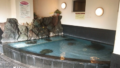
You’ve arrived at Kurama Onsen. After walking this far, anyone would naturally feel tired. Let Kurama Onsen wash away all that fatigue.
Finally
How did you enjoy it?
I think combining hiking with a hot spring bath makes the perfect itinerary. Since you’re visiting Japan, and especially Kyoto, I hope you can experience the bathing and onsen culture firsthand. For those trying a hot spring for the first time or unsure how to use it, I also provide a detailed guide on proper usage, so be sure to check out my blog.
コメント