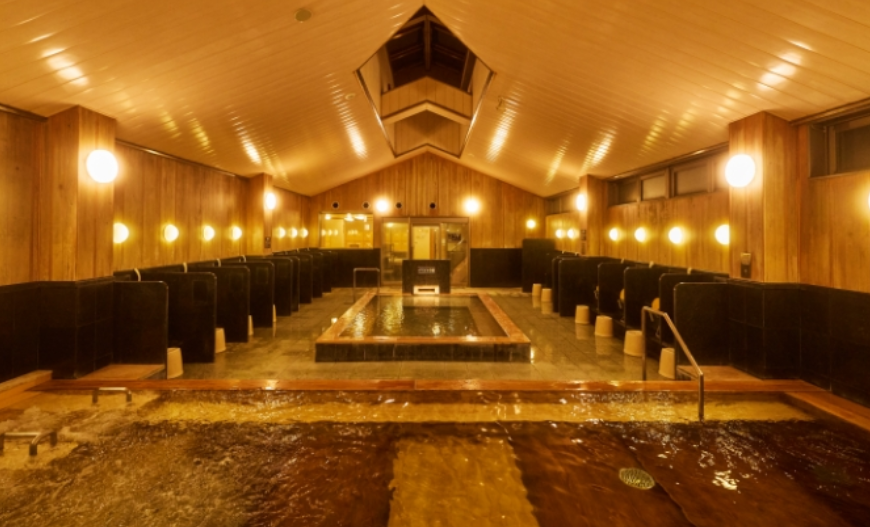
First of all, Shoei Makoto no Yu is a truly charming bathing facility and also one of Kyoto’s representative traditional inns. Inside the building, you can experience the authentic atmosphere of a Japanese ryokan, where the quiet setting allows you to relax and fully enjoy the bath.
However, Japanese hot springs and public baths have unique cultural aspects. For example, some people may feel uncomfortable bathing nude together with others.
With these points in mind, this article explains who Shoei Makoto no Yu may not be suitable for, due to differences in personal values and cultural expectations.
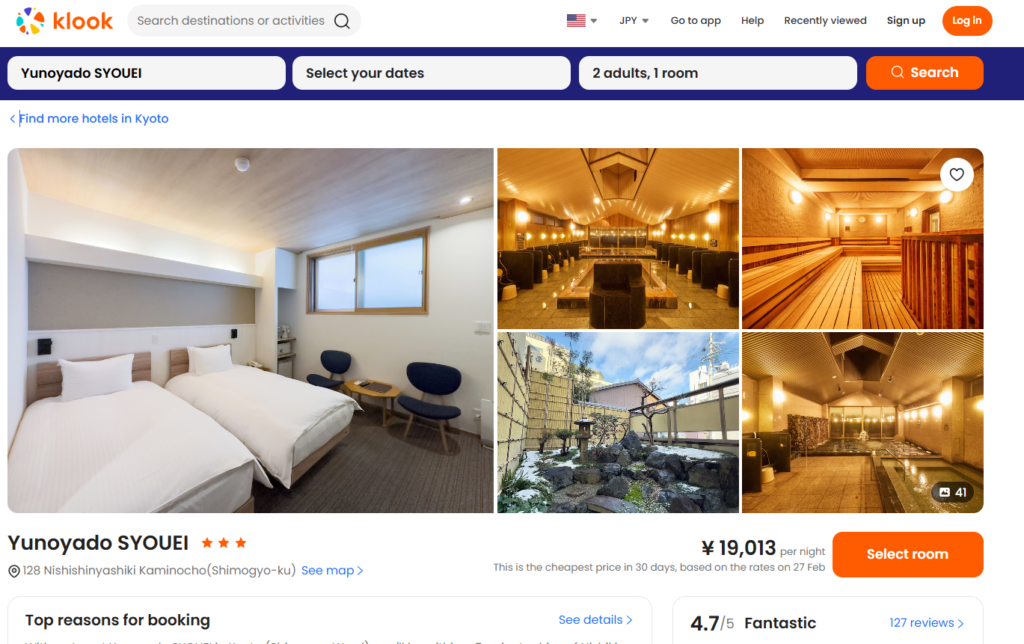
Click here for accommodation plans at Shoei Makoto no Yu↓
Conclusion: Who Shoei Makoto no Yu Is Not Suitable For
Let me start with the conclusion.
Shoei Makoto no Yu may not be the best choice for people who fall into the following categories:
- people with tattoos
- Those who feel uncomfortable bathing naked with others
- Couples or married partners who want to bathe together
- People who care about hot spring water quality
Based on my personal experience of visiting Shoei Makoto no Yu many times, I will explain why it may not be suitable for these people.
Why It May Not Be Suitable: Reasons Based on Personal Experience
people with tattoos
Unfortunately, people with tattoos are not allowed to bathe, regardless of the size of the tattoo. The same rule applies to temporary tattoo stickers.
Some visitors may feel uncomfortable or wonder, “Why are people with tattoos not allowed to enter?” However, historically in Japan, tattoos have been associated with organized crime groups. Because of this history, many Japanese people worry that if tattoos were freely permitted, it could also allow members of such groups to use the facilities.
This policy is rooted in historical and cultural concerns rather than personal discrimination.
People Who Feel Uncomfortable Bathing Naked with Others
At Shoei Makoto no Yu, bathing is separated by gender, and guests share the same bath nude with others of the same gender.
This is not unique to Shoei Makoto no Yu—most hot springs in Japan follow the same practice.
Couples or Married Partners Who Want to Bathe Together
At Shoei Makoto no Yu, bathing is separated by gender, so couples and married partners cannot bathe together.
This is not unique to Shoei Makoto no Yu—most hot spring facilities in Japan also have gender-separated baths.
However, Shoei Makoto no Yu has shared spaces such as a relaxation area and a restaurant, so couples and married partners can still enjoy their time together outside the baths.
Click here for accommodation plans at Shoei Makoto no Yu↓
People who care about hot spring water quality
Makoto no Yu does not technically qualify as a “hot spring” under Japan’s legal definition. However, unlike ordinary bathing facilities, it features bathtubs made with lava stone from Mount Fuji, which is believed to help warm the body from the inside through far-infrared effects.
For this reason, it may not be suitable for those who place great importance on hot spring water quality. That said, it still offers a level of comfort and relaxation comparable to that of a true hot spring.
Who Shoei Makoto no Yu Is Suitable For
If none of the points mentioned above apply to you, your experience at Shoei Makoto no Yu is likely to be highly satisfying.
If I were to recommend just one hot spring in Kyoto, Shoei Makoto no Yu would be my top choice without hesitation.
Summary
To be clear, Shoei Makoto no Yu is by no means a “bad” facility. On the contrary, it can easily be considered one of the best Japanese bathing experiences in Kyoto.
At the same time, knowing in advance whether it matches your own preferences and goals can make your hot spring or sento experience in Kyoto much more satisfying.
We hope this article helps you choose the bathing spot that’s right for you.


コメント