
Even if you want to enjoy hot springs or public baths in Kyoto, many people feel unsure, wondering, “Will I be refused entry because I have tattoos?”
In this article, based on first-hand visits and careful research, we introduce a ranked list of day-use hot springs and public baths in Kyoto where you can bathe with tattoos and feel at ease.
- 1st Place: Kurama Onsen
- 2nd Place: Funaoka Onsen
- 3th Place: Gokoyu
- 4th Place: Tensho-no-Yu
- FAQ
- Q1. Are tattoos allowed in Kyoto hot springs and public baths?
- Q2. What is the difference between “tattoo-friendly” and “conditionally allowed” facilities?
- Q3. What size of tattoo is allowed in hot springs and public baths?
- Q4. Can foreign tourists enter hot springs and public baths in Kyoto if they have tattoos?
- Q5. Will Kyoto become more tattoo-friendly in the future?
1st Place: Kurama Onsen
- Rating: ★★★★⯨(24 stars total)
Bath Variety & Quality ★★★★★
Atmosphere & Authenticity ★★★★★
Comfort ★★★★★
Accessibility for Tourists ★★★★☆
Scenic Value / Surroundings ★★★★★
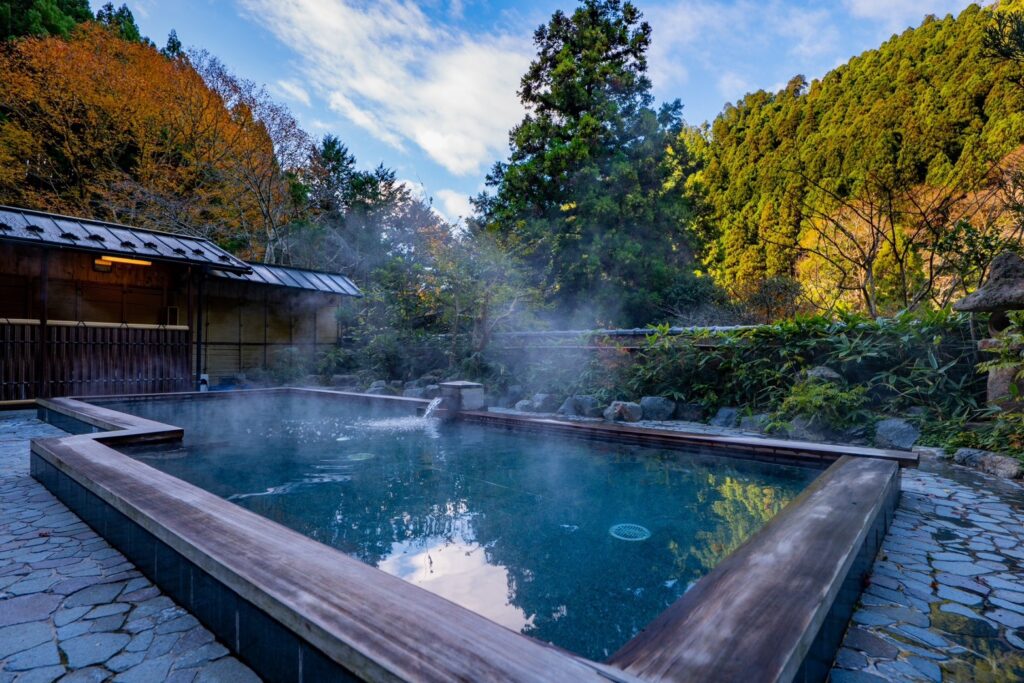
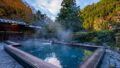
Kurama Onsen is a day-use hot spring located in the northern part of Kyoto, in the scenic Kurama–Kibune area. Surrounded by mountains and deep forest, it offers a peaceful soaking experience far removed from the busy city. Because the onsen sits deep in the hills, it takes over an hour from Kyoto Station by train and bus. However, the remote setting is exactly what makes Kurama Onsen special. The open-air baths are designed to blend with the natural landscape, allowing you to gaze out over lush greenery and forested valleys. In spring and summer you can enjoy vibrant fresh leaves, while autumn brings spectacular colors.
The entire building has a calm, traditional Japanese atmosphere. Inside the facility, there is also a restaurant where you can relax with set meals and light dishes made from local ingredients—perfect for spending half a day combining bathing and dining.
Most visitors pair their trip with nearby attractions such as Kurama-dera Temple or hiking on Mt. Kurama. After a long walk, soaking in the outdoor bath and cooling off in the mountain air is an unforgettable experience. The busiest times are weekend afternoons to early evenings, so if you prefer a quiet visit, choose a weekday morning or a later time in the evening.
Personally, my recommended way to enjoy Kurama Onsen is to spend time relaxing between baths—have a meal, take a nap in the rest area, and then return for another soak. Since the indoor bath and the outdoor bath are located in separate areas, it’s very pleasant to bathe indoors first, take a break, and then head to the open-air bath afterward.
- Facility Information
Business Hours
10:00–21:00
Restaurant Hours
Lunch: 12:00–15:00 (Last order 14:30)
Dinner: 17:00–20:30 (Last order 20:00)
Parking
30 spaces (free)
Admission Fees
Children (ages 3 to elementary school): ¥1,300
Adults: Weekdays ¥2,500 / Weekends & holidays ¥2,700
*There is also a cheaper ticket for outdoor-bath-only use, but if you want to fully enjoy the hot spring, I recommend paying the full admission and experiencing everything the facility offers.
2nd Place: Funaoka Onsen
- Rating: ★★★★⯨(22 stars total)
Bath Variety & Quality ★★★★★
Atmosphere & Authenticity ★★★★★
Comfort ★★★★☆
Accessibility for Tourists ★★★★☆
Scenic Value / Surroundings ★★★★☆
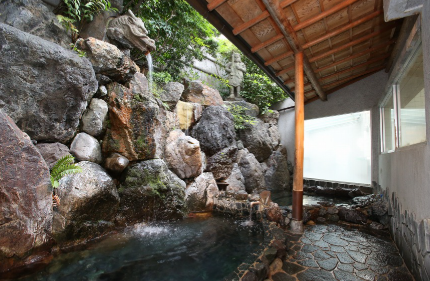
Funaoka Onsen is a public bath located in a quiet residential area of Kyoto, famous for preserving the charm of an old-style Japanese sento. Although its name includes the word “onsen,” it is not a hot spring but a traditional public bath. One of its most notable features is that parts of the building—including the exterior and sections of the changing area—are designated as Registered Tangible Cultural Properties.
The wooden architecture, classical changing rooms, the traditional “bandai” attendant counter, and the retro-style rest area all offer a unique atmosphere that captures Kyoto’s long-standing bathing culture. Visiting Funaoka Onsen is more than just taking a bath—it’s a cultural experience where you can feel the history of the neighborhood and enjoy authentic Japanese daily life.
- Facility Information
Business Hours
15:00–23:30
(Sundays: 08:00–23:30)
Closed
Tuesdays
Parking
11 spaces
(Please issue the parking validation ticket immediately upon arrival.)
3th Place: Gokoyu
- Rating: ★★★⯨☆ (18 stars total)
Bath Variety & Quality ★★★★☆
Atmosphere & Authenticity ★★★★★
Comfort ★★☆☆☆
Accessibility for Tourists ★★★★☆
Scenic Value / Surroundings ★★★☆☆
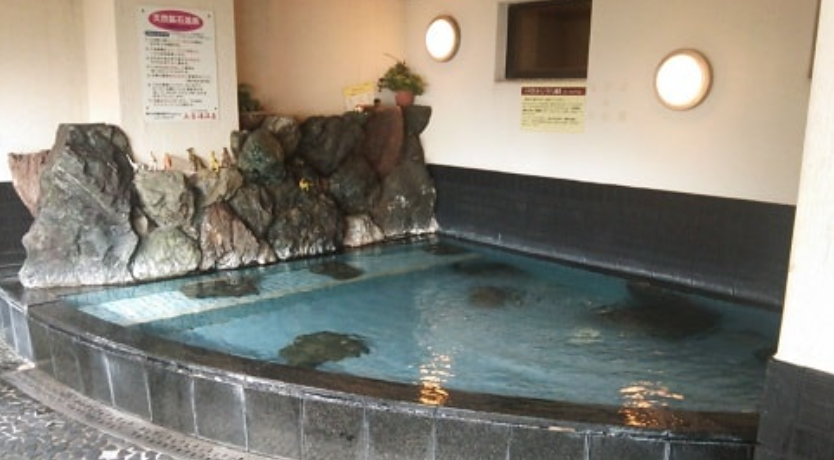
Gokoyu is a long-established public bath located near Gojo-Omiya in central Kyoto. The interior is spacious, and the facility is known for offering an impressive variety of bathing options despite being a traditional sento (not a natural hot spring).
On the first floor, you will find multiple baths such as jet baths, electric baths, herbal baths, and a milky bath filled with fine microbubbles that make the water appear white. On the second floor, there are high-temperature steam saunas, far-infrared dry saunas, and a cold bath—features that make Gokoyu especially popular among sauna enthusiasts and visitors seeking a more diverse bathing experience.
Because it is located in the city center with excellent access, many locals stop by after sightseeing or on their way home from work. For the inexpensive sento fee, the range of facilities is considered exceptionally good value. Keep in mind that, as a city-based public bath, Gokoyu does not have outdoor baths, and its rest area is relatively small.
4th Place: Tensho-no-Yu
Rating: ★★★☆☆(12 stars total)
Bath Variety & Quality ★★★★☆
Atmosphere & Authenticity ★★★★★
Comfort ★☆☆☆☆
Accessibility for Tourists ★★★☆☆
Scenic Value / Surroundings ★★☆☆☆
Natural Hot Spring Tensho-no-Yu Daimon is a day-use hot spring public bath located in the Nishikyogoku area of Ukyo Ward, Kyoto City. It is especially popular among locals as one of the few bathhouses in Kyoto where you can enjoy free-flowing natural hot spring water (100% Hot spring).
The natural hot spring rises from approximately 1,000 meters underground and is rich in minerals. The water is known for leaving the skin feeling soft and smooth after bathing, making it a favorite spot for relaxation after a long day.
- Facility Information
Closed Day: Tuesday
Opening Hours: 2:00 p.m. – 1:00 a.m.
Admission Fee: ¥550
FAQ
Q1. Are tattoos allowed in Kyoto hot springs and public baths?
There are other facilities where you can enter even with tattoos, but they are few. It is recommended to call in advance to confirm. Simple English should be sufficient to communicate.
Q2. What is the difference between “tattoo-friendly” and “conditionally allowed” facilities?
“Tattoo-friendly” facilities allow entry regardless of the size or location of the tattoo.
“Conditionally allowed” facilities have specific rules, such as only small tattoos being permitted, requiring tattoo cover stickers, or allowing only visiting tourists. However, most conditionally allowed cases apply to private or reserved outdoor baths. If you are looking for day-use hot springs, please refer to the hot springs and public baths explained in our ranking.
Q3. What size of tattoo is allowed in hot springs and public baths?
The size of the tattoo does not matter. Even if it is a small tattoo, there are likely no facilities that will automatically allow it.
Q4. Can foreign tourists enter hot springs and public baths in Kyoto if they have tattoos?
Many facilities have unified rules regardless of nationality, so it doesn’t mean that tattoos are automatically allowed just because you are a foreigner.
Q5. Will Kyoto become more tattoo-friendly in the future?
It will likely take more time. Many day-use hot spring facilities in Kyoto are mainly used by Japanese customers, and a large number of elderly Japanese people still feel uncomfortable with tattoos.
コメント